
3. Understanding Learning Styles (quiz + examples)
Every child is wonderfully different — and that’s a good thing!
This lesson helps you figure out how your kids learn best.
Some kids love reading, some love listening, and others can’t think straight unless they’re bouncing on a yoga ball.
💛 Why It’s Important
When you understand your child’s learning style, you stop fighting against their design and start working with it.
God made them unique — and this is one of the sweetest ways to celebrate that.
📝 What To Do Next
Take the Learning Styles Quiz (it’s short, fun, and surprisingly accurate).
Then open your Workbook and write down what you learned about each of your kids — and maybe even yourself!
🧩 Take the Learning Styles Quiz below.
OPTIONAL: There's also another generalized quiz on learning styles below. It is there if you want to test yourself and see if you've got a handle on the learning styles.
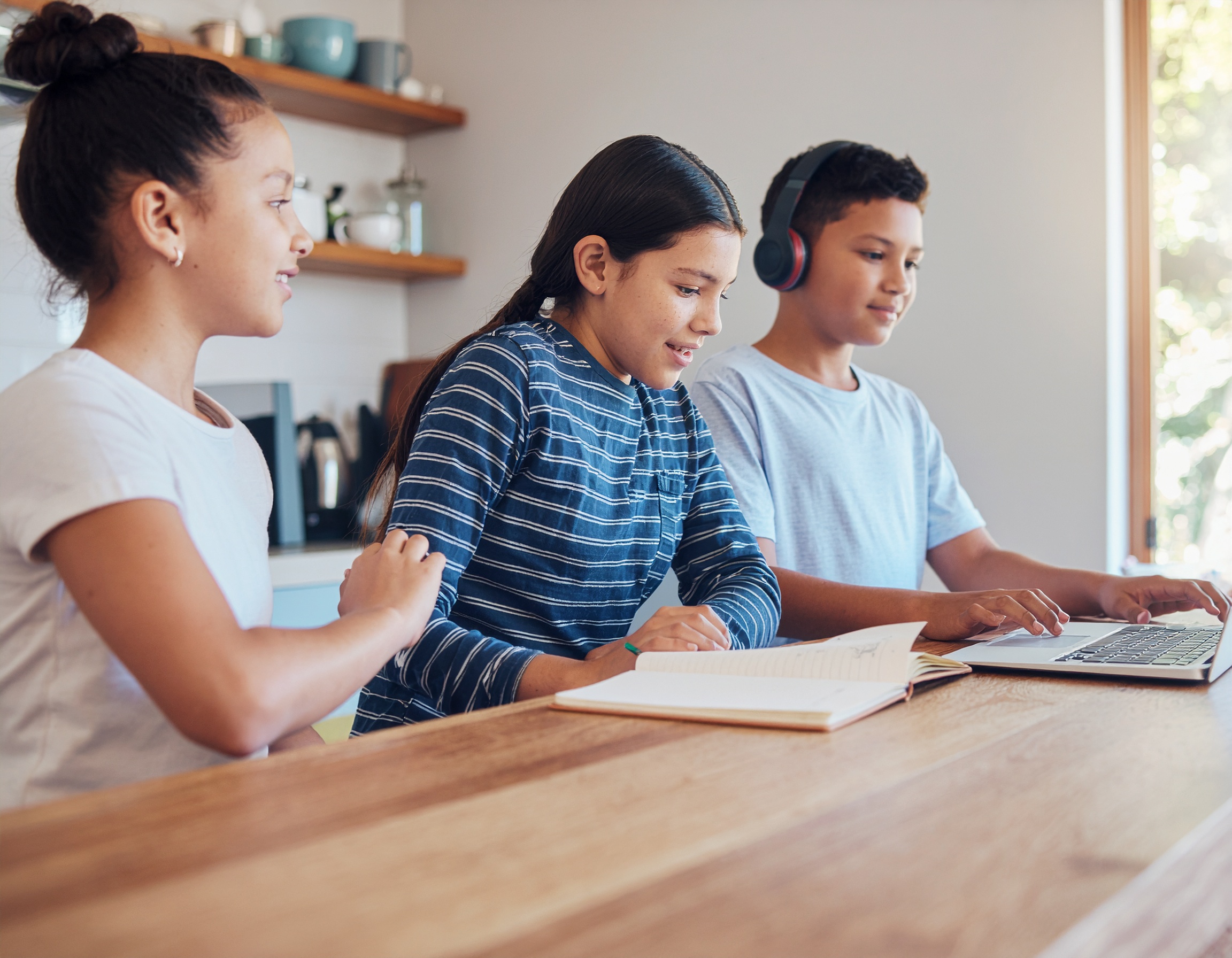
CASE STUDIES: The Day of a Typical Visual, Auditory, & Kinesthetic Learner
🎨 Case Study 1: Violet the Visual Learner

Morning:
Violet bounces out of bed, immediately color-coding her breakfast (“Cereal is beige. Boring. I’ll have blueberries and pink yogurt.”).
When Mom says, “It’s time for math,” Violet grabs her favorite glitter pens and starts sketching a rainbow bar graph of her feelings about fractions.
Midday:
During reading time, Violet stops every three sentences to underline, doodle, or highlight.
Her workbook looks like an abstract art piece — but she can tell you exactly what each color means.
“Blue means something important. Yellow means something beautiful. Red means something I didn’t understand but looked dramatic.”
Afternoon:
She “organizes” her bookshelf again — which actually means rearranging books by spine color (not subject).
When you try to read aloud, she interrupts: “Wait! Can you show me the picture?”
How Violet Learns Best:
- Loves charts, diagrams, and pretty pages (like BJU Press or MasterBooks).
- Retains info when she sees it.
- Needs whiteboards, colorful notes, and maybe a Pinterest board to thrive.
- Caution: Can get distracted by how cute her notes look instead of what they say.
Parent Tip:
If it’s not colorful, she’s not interested.
Give this child highlighters and watch the comprehension soar (but hide your tax forms).
🎧 Case Study 2: Andy the Auditory Learner
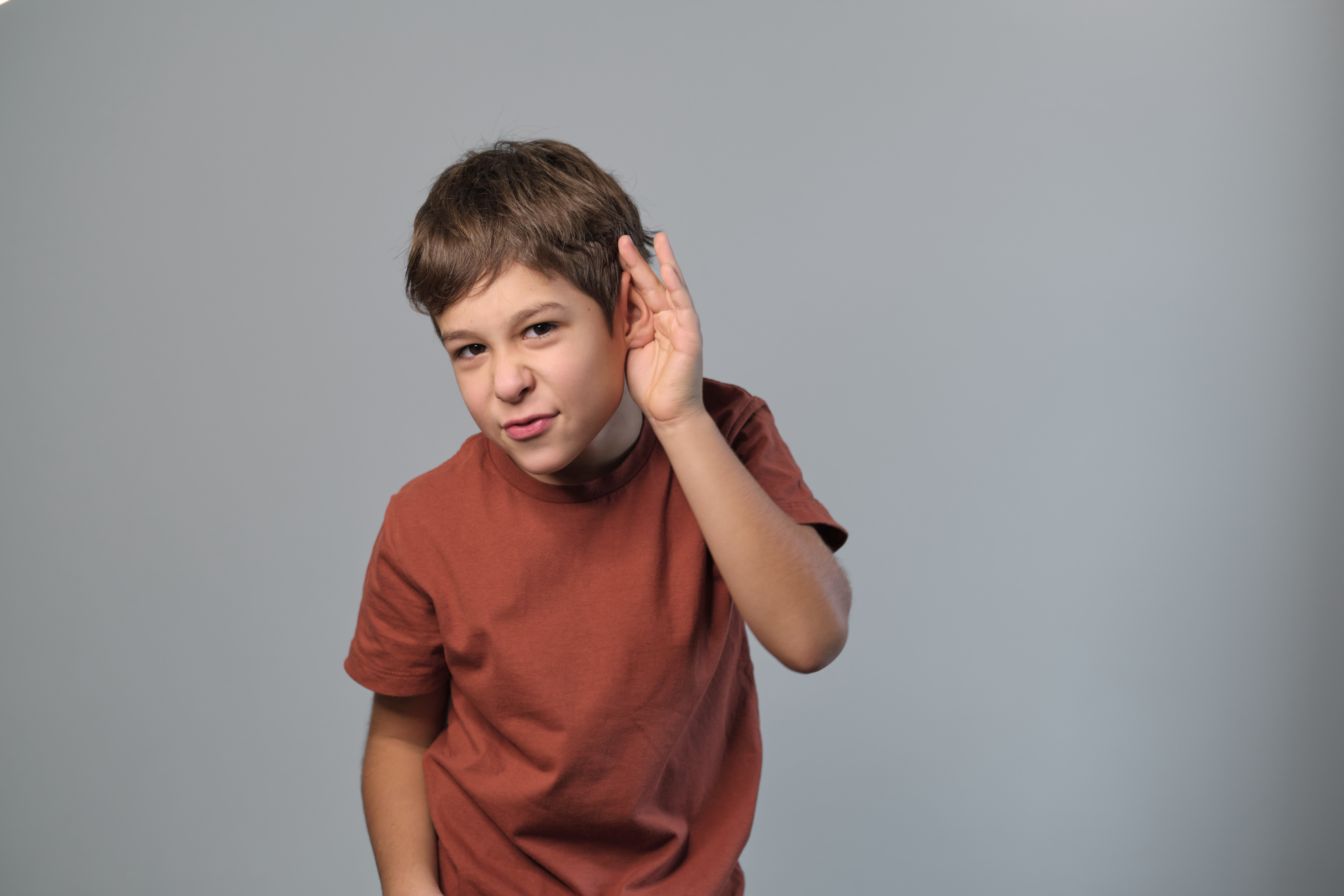
Morning:
Andy wakes up humming.
He talks to the dog, sings through breakfast, and narrates brushing his teeth.
When Mom says, “Let’s start homeschool,” he replies, “Sure — but can I tell you a story first?”
(He then tells five.)
Midday:
During lessons, Andy absorbs everything you say — but not what’s written.
He’ll remember your history lesson word-for-word next week, yet forget that the math worksheet exists… even though it’s right in front of him.
When you try silent reading, you catch him whispering every sentence. “I’m not talking, Mom — I’m learning!”
Afternoon:
While siblings are drawing quietly, Andy’s listening to an audiobook, reciting his times tables out loud, and correcting the audiobook narrator’s pronunciation.
He might be accused of “talking too much,” but really, he’s processing ideas aloud.
How Andy Learns Best:
- Retains lessons through conversation, podcasts, and audiobooks.
- Needs to hear instructions and often benefits from reading out loud.
- Great at explaining things verbally (future preacher or podcaster).
Parent Tip:
If he’s talking during lessons, he might actually be learning.
Just make sure he pauses for breath occasionally.
🏃 Case Study 3: Kai the Kinesthetic Learner
Morning:
Kai wakes up mid-cartwheel.
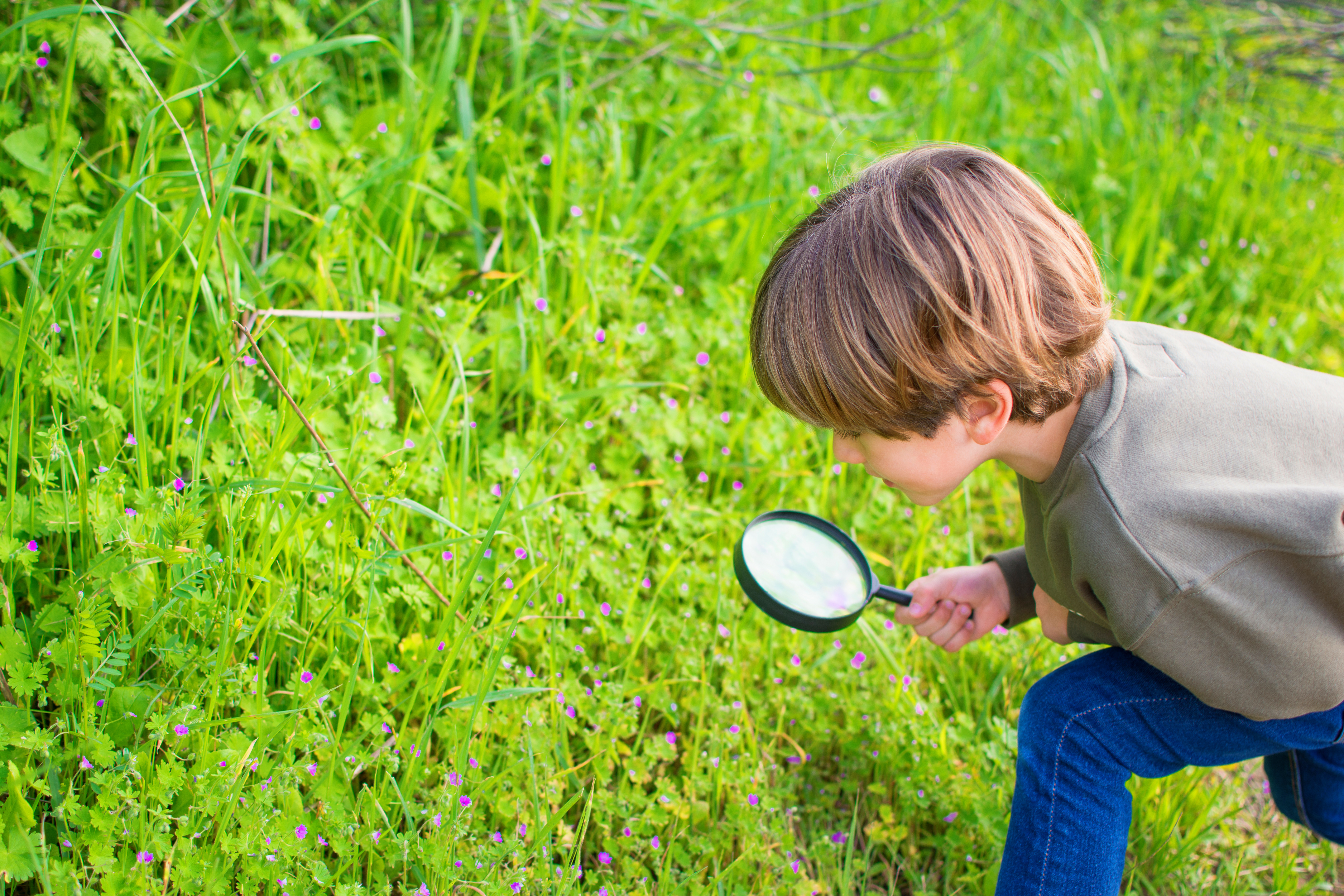
When Mom says, “Sit down for school,” Kai’s already building a Lego pyramid to “understand Egypt better.”
Midday:
Math?
Sure — but only if he can hop on one foot for each multiplication fact.
Reading?
Fine — but he needs to act out every scene. (“Mom, I am the wolf in Little Red Riding Hood!”)
When asked to write a sentence, Kai gets distracted halfway through to go “test gravity” by jumping off the couch. “It’s science!” he insists.
Afternoon:
He remembers history best when he acts it out, spelling best when he uses letter tiles, and Bible stories best when he builds them with Play-Doh.
His hands are never clean, but his brain is firing on all cylinders.
How Kai Learns Best:
- Loves hands-on projects, crafts, and movement breaks (think My Father’s World or Gather Round).
- Needs to do to understand.
- Short lessons + frequent movement = actual success.
- Sitting still = misery and mischief.
Parent Tip:
If Kai’s wiggling, he’s probably learning.
Bonus: chores count as “movement-based learning” — use it to your advantage.
0 comments